The real cost of touring surprises most new bands. Here is the honest math on guarantees, vans and break-even, and why bands still hit the road.
The romantic version of touring is a van full of friends, a different city every night, and a crowd singing your words back to you.
The spreadsheet version is less of a poster. The cost of touring is the reason a band can sell out small rooms across a country and still drive home owing money.
Where the cost of touring actually goes
People assume touring is pure profit because the tickets sound like a lot. Then they meet the cost lines.
- •Transport: van rental or fuel, and it eats a frightening amount of a small tour.
- •Lodging: even cheap rooms add up fast across a week of shows.
- •Crew and gear: a sound tech, backline, broken strings, the amp that dies in Leeds.
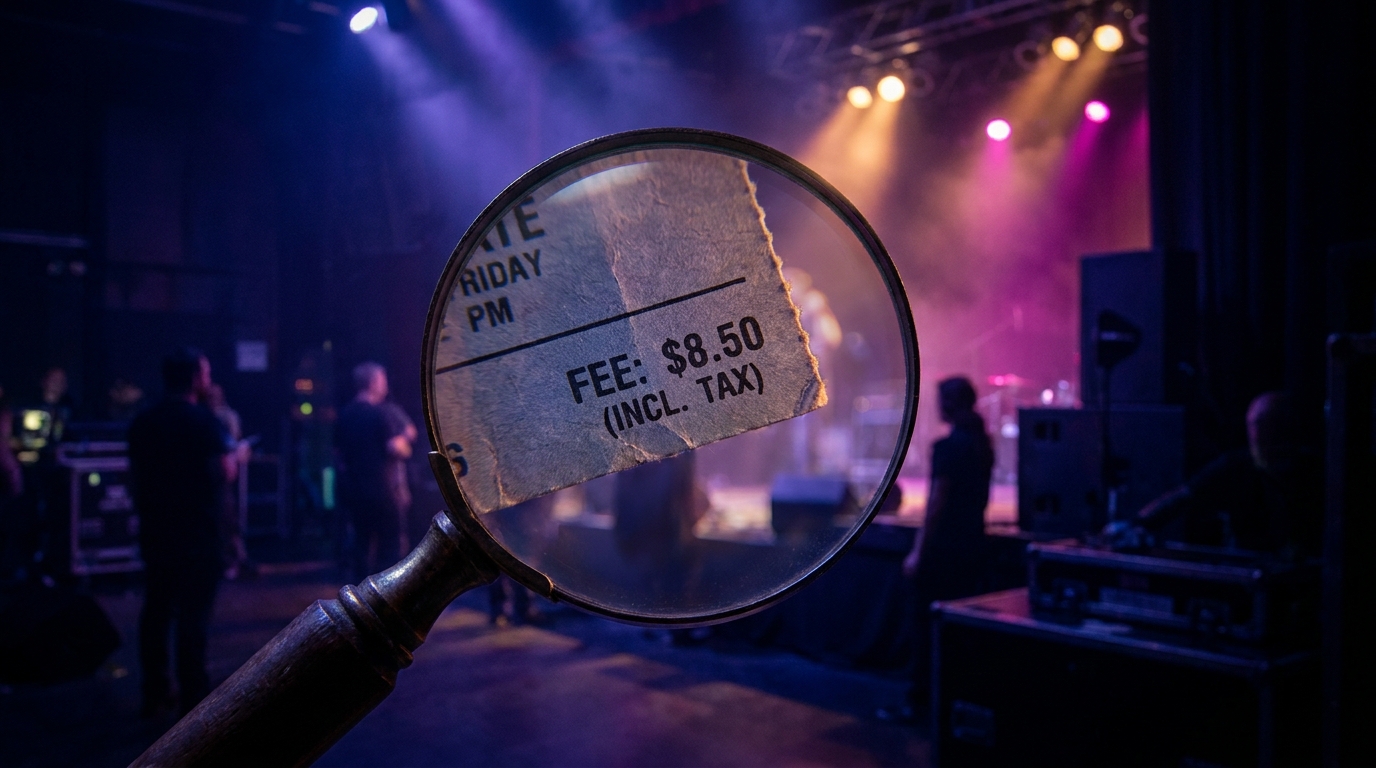
- •The cut: the promoter, the venue, the booking agent's percentage off the top.
None of those care whether the show sold well. They get paid first.
Guarantees vs the door
When you book a show, the money comes one of two ways, and the difference is everything.
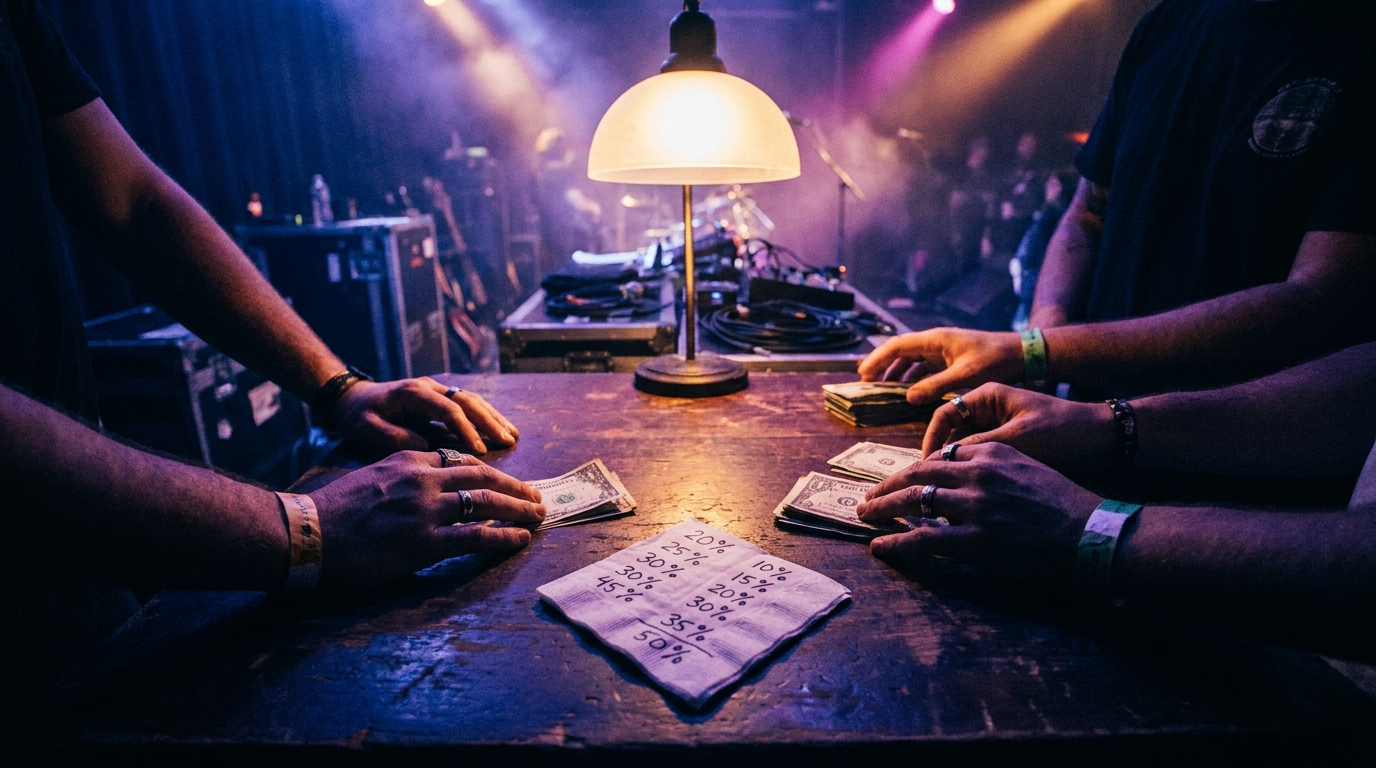
A guarantee means the promoter pays you a fixed fee no matter who turns up. Lovely when the room is empty, capped when it is packed.
A door deal means you take a slice of ticket sales. Terrifying on a quiet Tuesday, brilliant on a sold-out Saturday. Most working bands live somewhere between the two, and learning which to chase is half the craft of planning a band tour.
The break-even math nobody shows you
Let's do a quick, honest example.
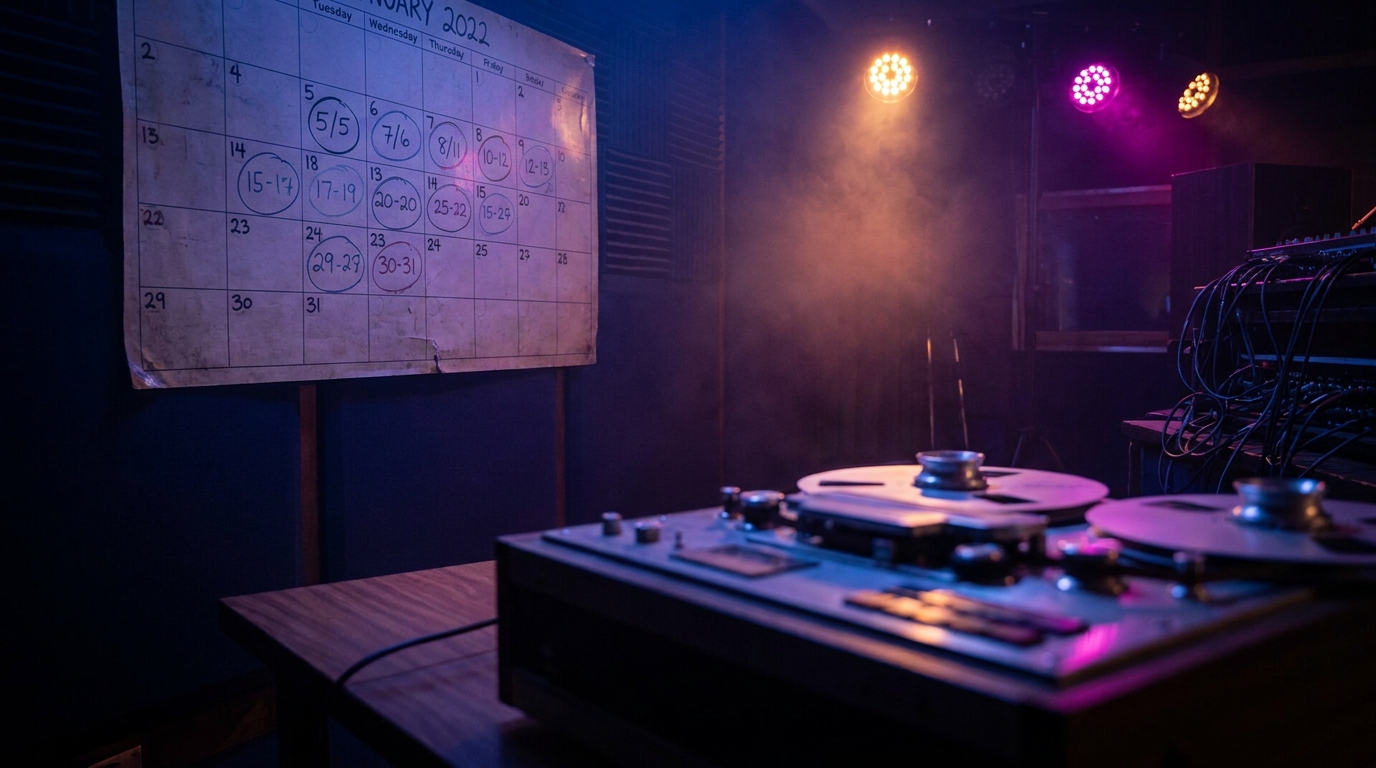
Say a small tour costs roughly 800 a day all-in: van, rooms, food, a tech. Ten dates is 8,000 before you have sold a single ticket.
Now you need merch, guarantees and door splits to clear that 8,000 just to come home even. Sell well and you pocket the difference. Have two soft nights in the middle of the run and the whole tour can tip into the red.
That is the cost of touring in one paragraph. The expenses are fixed and daily. The income is lumpy and uncertain.
This is also why the support slot exists. Opening for a bigger act usually pays little or nothing, but it puts you in front of a full, warmed-up room you could never draw alone. Sometimes the smart financial move is the one that pays in fans instead of cash.
So why do bands still go?
Because touring is not really a revenue line. It is an investment in everything that does make money.
A show turns a passive listener into a fan who shows up. It sells the merch, builds the mailing list, gets the local press, and feeds the streaming numbers later. We break down all the income streams in how bands actually make money, and live is the thing that powers most of them.
A tour that loses 500 but creates a thousand real fans is, by any sane measure, a win. Those fans stream the records, buy the next ticket, and tell their friends. The road is where a fanbase gets built one room at a time.
How the game makes the math real
This is exactly why touring in Road to Headliner is not free money. You weigh guarantees against door splits, you eat the road costs, and you watch a smart route pay you back in fans and reputation instead of cash.
The shows and touring guide walks through routing a run that actually clears its costs.
Touring will probably always be a bit of a beautiful financial mistake. Done right, it is the mistake that builds a career. You can start a band for free in your browser and route your first tour in minutes, no van required.